Event · 13.08.2025 · India
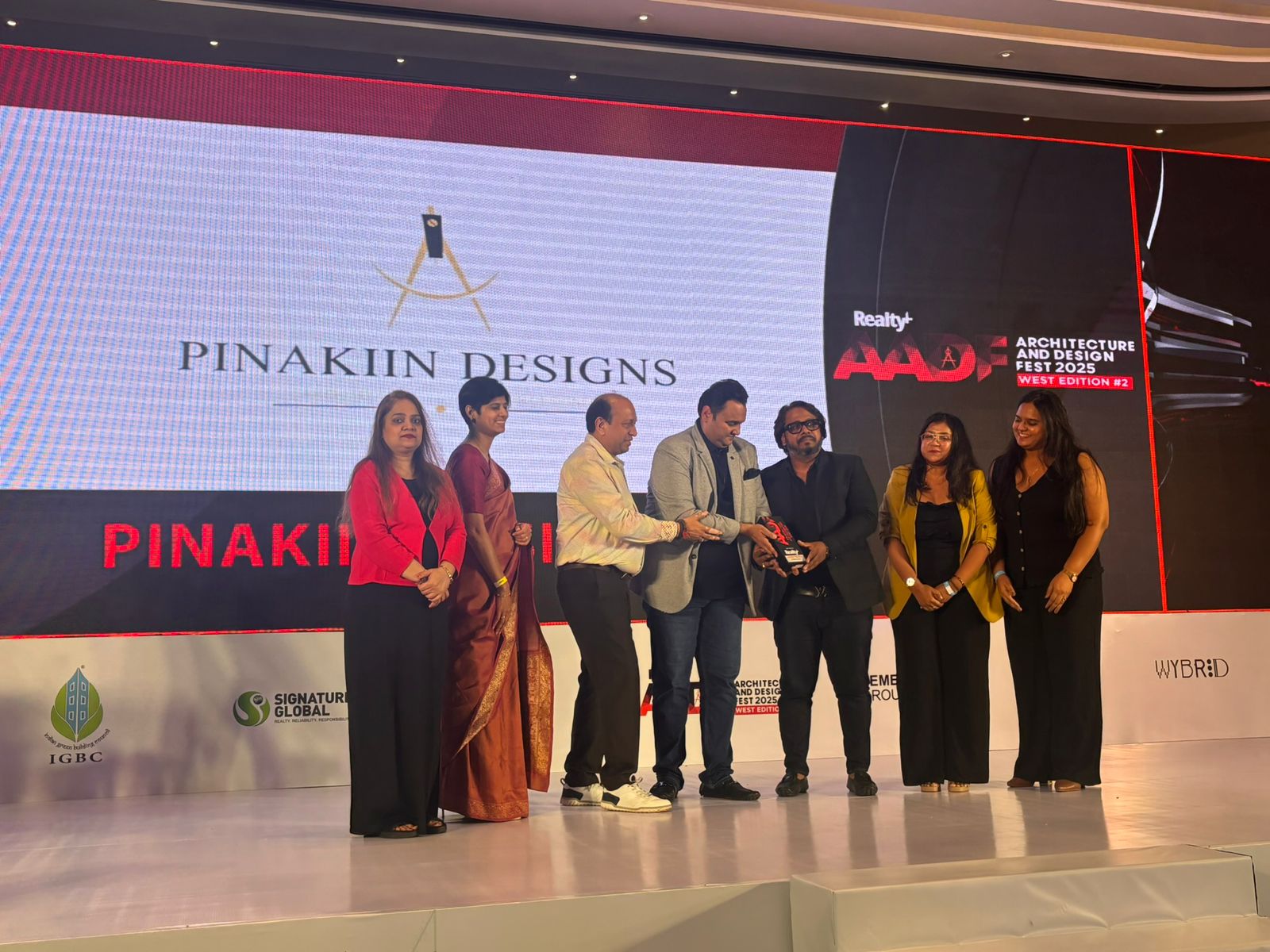
PINAKIIN DESIGNS shares insights at Architecture and Design Fest 2025
At Architecture and Design Fest 2025, Amit Agrawal joined a panel on how technology is changing the way design is developed, communicated and delivered.
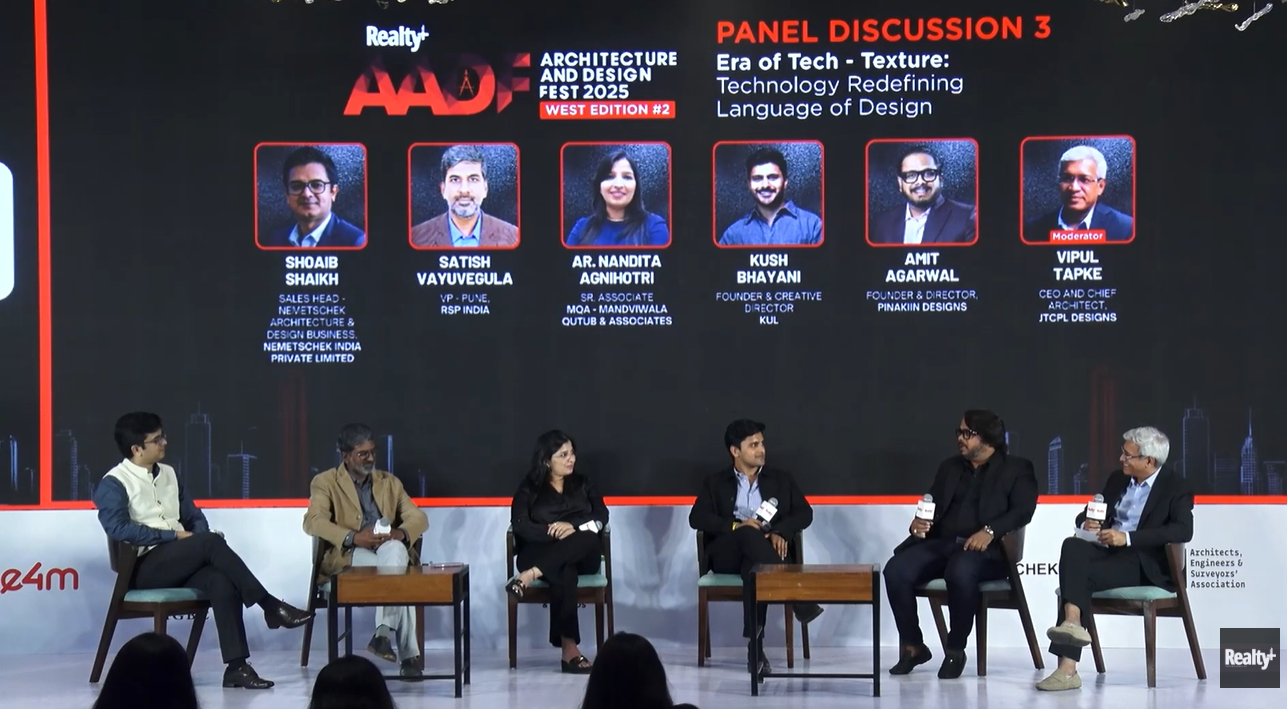
At Architecture and Design Fest 2025, West Edition, Amit Agrawal, Founder & Director, PINAKIIN DESIGNS, joined the panel “Era of Tech-Texture: Technology Redefining Language of Design.”
The discussion brought together professionals from architecture, design and technology to examine how digital tools are changing the way spaces are developed, communicated and delivered.
Making design easier to understand
Technology has changed how design teams develop options and communicate them. Drawings, 3D visualisation and immersive tools can make a proposal easier for clients to review before work begins on site.
Amit shared an example from a 100,000 sq. ft. project where multiple layouts and 3D options had to be presented within two days. VR gave the client a more direct way to experience the proposed space, review materials and provide feedback during the presentation.
Technology is most valuable when it helps clients understand the design clearly and make decisions with confidence.
Amit Agrawal, Founder & Director, PINAKIIN DESIGNS
Better tools, practical decisions
The discussion also considered the progression from manual drafting to increasingly advanced digital tools. These tools can make it faster to test options, present a direction and coordinate information across a project.
Their value lies in how they support decisions. A clear visual or immersive review can reduce uncertainty early, when changes are easier to make and conversations with clients are more specific.
When design reaches the site
Technology can reduce the time required to develop and revise a design. Construction, approvals, material availability and coordination between teams do not always move at the same pace.
That difference is central to design-and-build work. A concept can look complete on screen, but it still needs to be detailed, coordinated and built within the realities of the project.
The panel explored how technology is changing design practice. Amit’s contribution focused on the point where it becomes most useful: helping people understand a proposal clearly, while keeping delivery grounded in what can be achieved on site.
Technology can help teams develop options faster, test changes earlier and present a clearer picture to clients. But the pace of a project changes once those ideas move beyond the screen.
For an interior design and build project, every visual direction still has to translate into drawings, materials, approvals, coordination and site work. That process cannot be compressed by design software alone.
The discussion made the distinction clear: technology can speed up design, but delivery still depends on the work that follows.