
Carbon accounting
Carbon behaves like money: it needs a budget, a ledger and an audit.
We build an inventory across materials, transport, construction activity and expected operation, then track it as the design changes.
The as-built record is handed over with the building, so future works start from evidence instead of estimates.
How carbon accounting can help
Working alongside the design and delivery teams, we build one integrated plan that meets the project's goals. It usually covers:
- 01
Setting a carbon budget the design team can actually work to
- 02
Comparing options in kilos, not adjectives
- 03
Choosing between retrofit and replacement with evidence
- 04
Getting real product data out of the supply chain
- 05
Keeping the number honest as the design changes
- 06
Reporting to disclosure and certification frameworks
- 07
Handing over an as-built record future works can start from
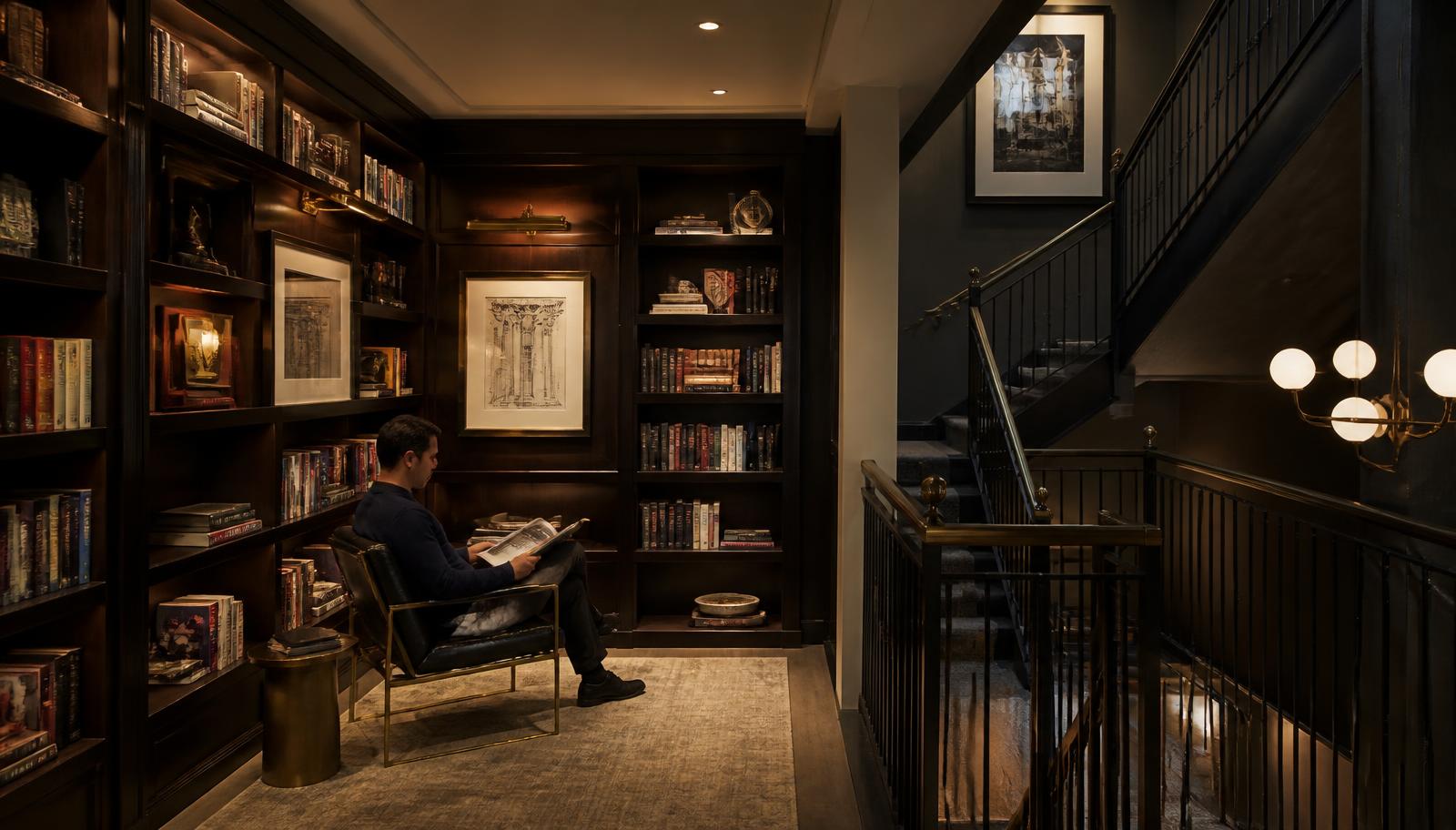
A carbon figure calculated after handover is a report. Calculated during design, it is a decision.
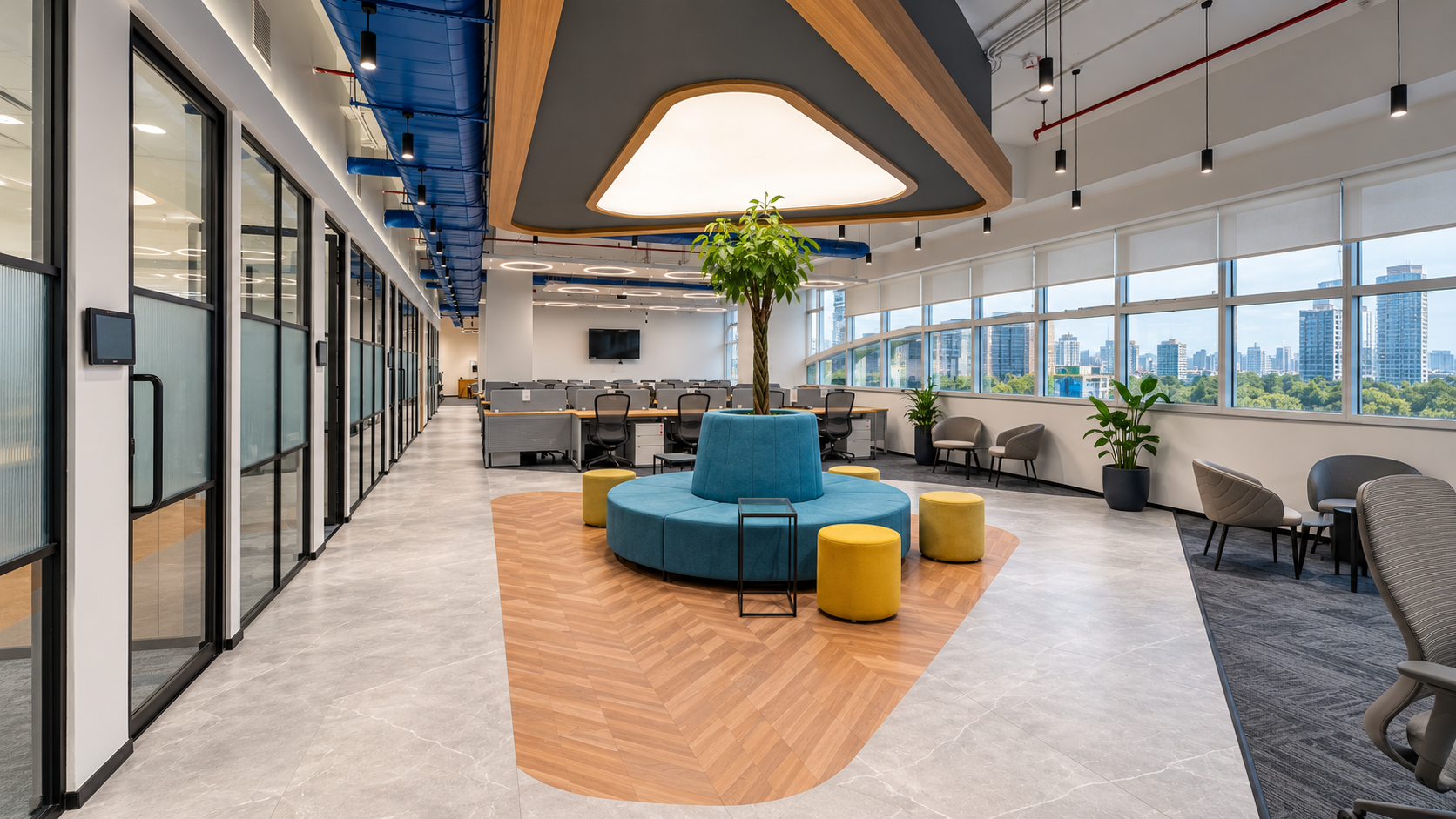
Our carbon accounting services
A fully integrated package that runs from first brief through to design:
01
Scope boundaries and a baseline agreed before concept work begins
02
Whole-life inventory across materials, transport, site activity and operation
03
Design-stage tracking, with each specification change costed again in carbon
04
Supplier engagement to secure verified product declarations over generic factors
05
Tender-stage comparison of contractor and material substitutions
06
As-built statement aligned to corporate reporting needs
07
Post-occupancy measurement of operational emissions against forecast
Carbon only becomes manageable when it is treated like cost: budgeted at the start, tracked at every decision and audited at the end. Numbers produced once, at the end of a project, change nothing.
We keep the ledger open across the whole programme so the team can see what each choice costs. By handover the record is evidence rather than estimate, and the next project starts from something real.