
Smart buildings
Collect the data you will act on, and nothing else.
We define the operating questions first, occupancy, comfort, energy, maintenance: then specify only the sensing and integration needed to answer them.
Open protocols and documented data ownership keep the building serviceable long after the original vendors have moved on.
How smart buildings can help
Working alongside the design and delivery teams, we build one integrated plan that meets the project's goals. It usually covers:
- 01
Knowing how the building is really used, floor by floor
- 02
Cutting energy without making people uncomfortable
- 03
Catching plant faults before occupants report them
- 04
Freeing desks and rooms that are booked but never used
- 05
Joining lighting, cooling, access and booking on one layer
- 06
Owning your building data instead of renting it back
- 07
Planning the next lease from measured evidence
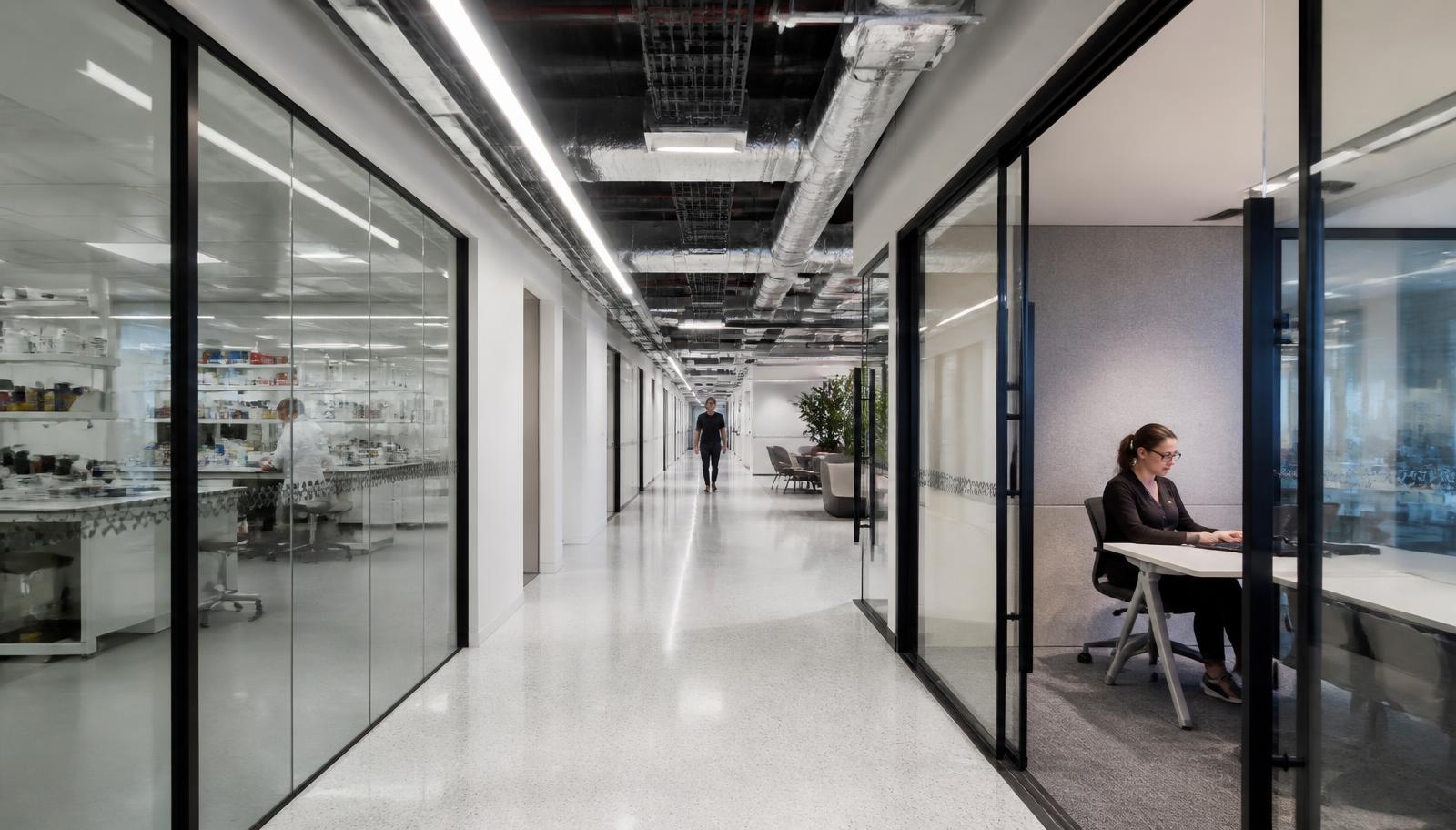
A building that measures itself is easier to argue with, and much easier to improve.
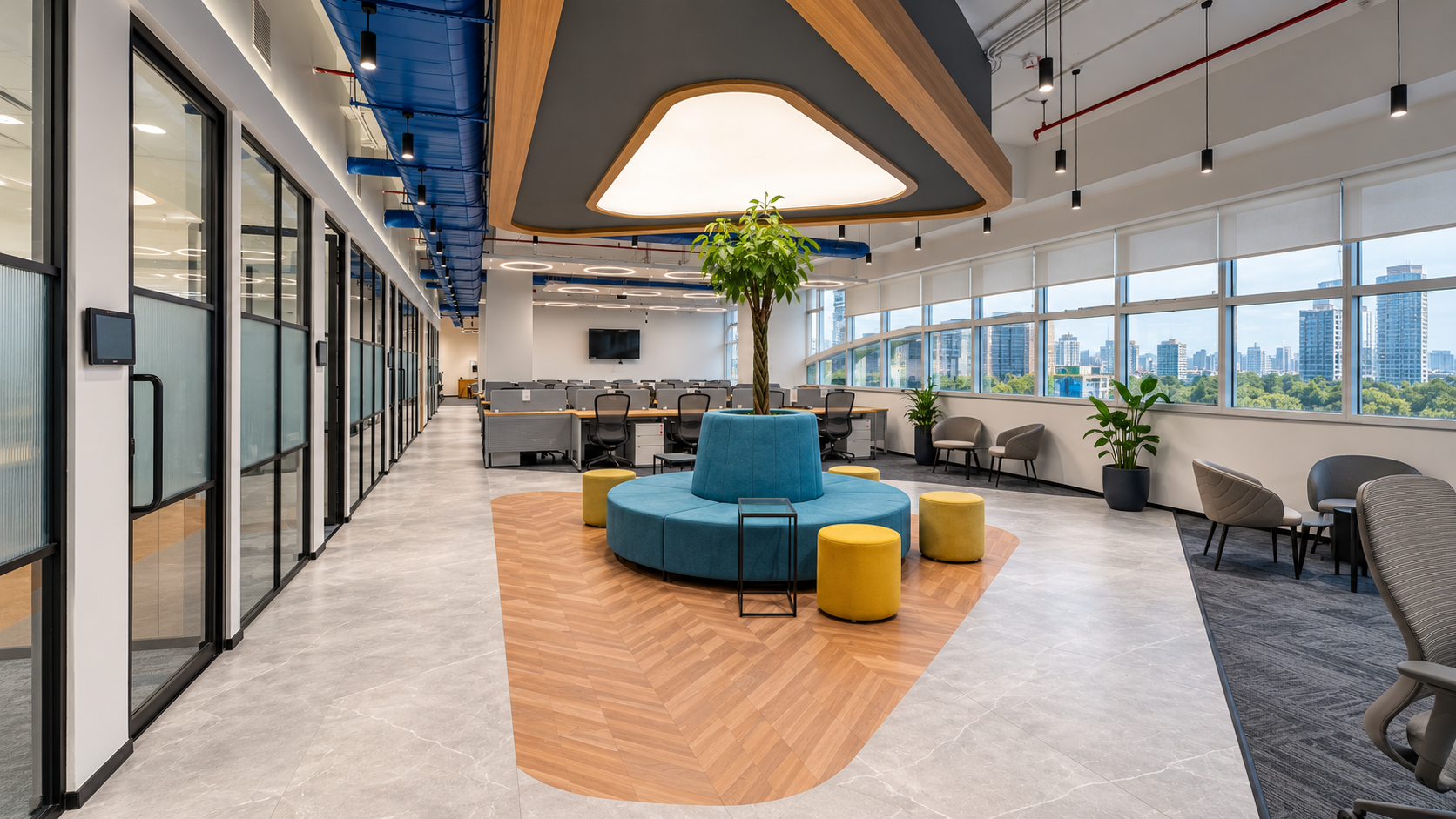
Our smart buildings services
A fully integrated package that runs from first brief through to design:
01
Operating questions agreed with facilities before any sensor is chosen
02
Controls architecture on open protocols, independent of any vendor by design
03
Anonymous occupancy and environmental sensing at room and zone level
04
Integration with BMS, lighting, access control and room booking
05
Dashboards and alerts written for the people who run the building
06
Network segregation, data ownership and retention set out in writing
07
Commissioning, tuning and a handover the operations team can maintain
Most smart building programmes fail for the same reason: the technology arrives before anyone decides what question it answers. We start from the decisions the operations team has to make each week, then specify the smallest system that answers them reliably.
Once the building reports on itself honestly, the arguments change. Space planning, plant replacement and energy targets stop being opinions and become numbers everyone can see.