
Technical due diligence
The cheapest lease can carry the most expensive building.
We assess shortlisted buildings against the brief: structural capacity, floor-to-floor, riser and plant space, power availability, and the true cost of bringing services up to standard.
Findings are returned as a comparison table with a capital allowance per option, so the property decision and the construction budget are made with the same information.
How technical due diligence can help
Working alongside the design and delivery teams, we build one integrated plan that meets the project's goals. It usually covers:
- 01
Comparing shortlisted buildings on evidence rather than agent copy
- 02
Understanding what the frame, risers and plant space can actually carry
- 03
Pricing the cost of bringing services up to the standard the brief needs
- 04
Testing power, cooling and ventilation headroom against future load growth
- 05
Checking compliance, fire strategy and accessibility before committing
- 06
Setting a realistic capital allowance for each option
- 07
Surfacing programme risk while it can still change the decision
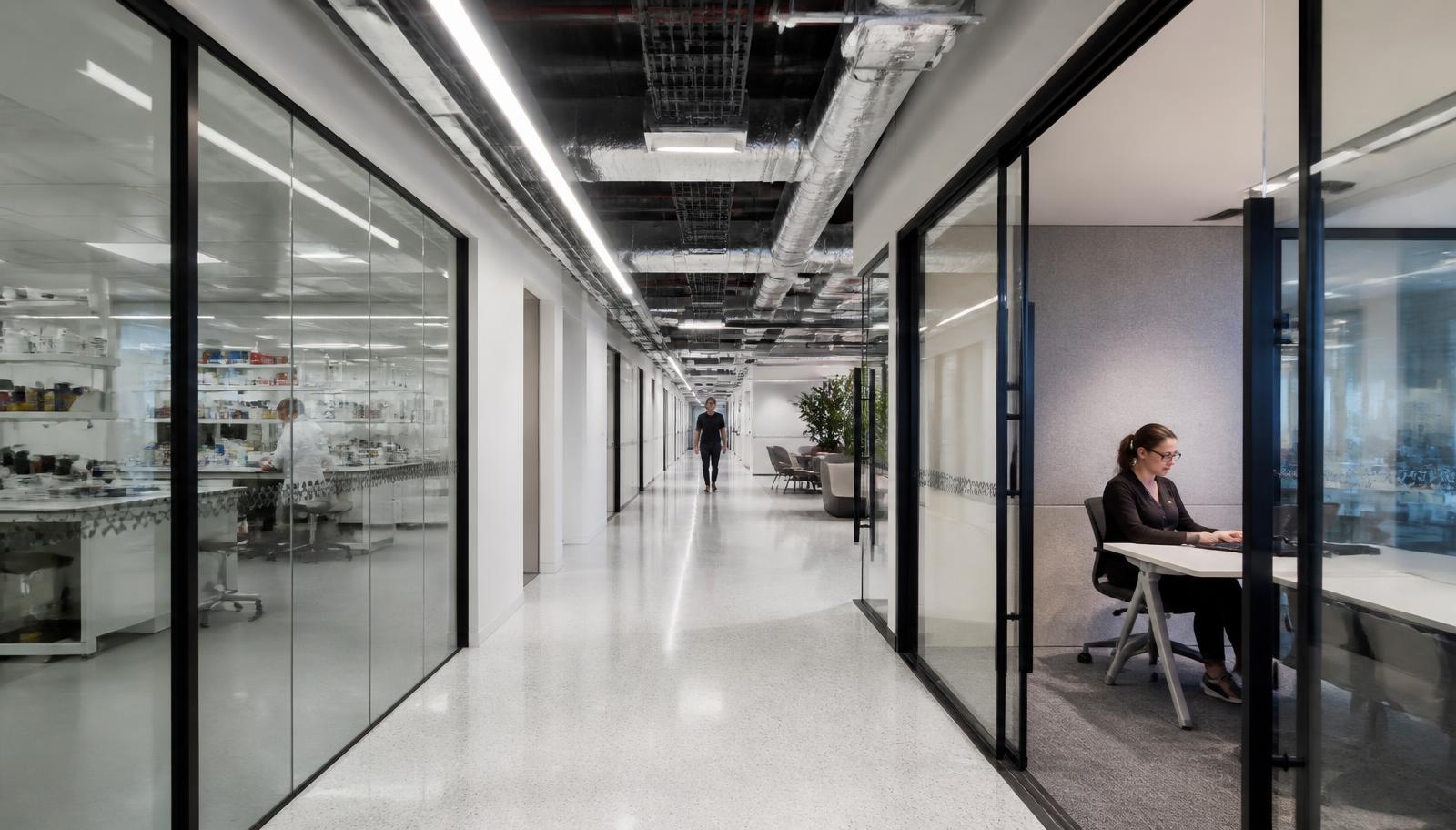
A building tells you what it can do long before the lease does. Our job is to ask it first.
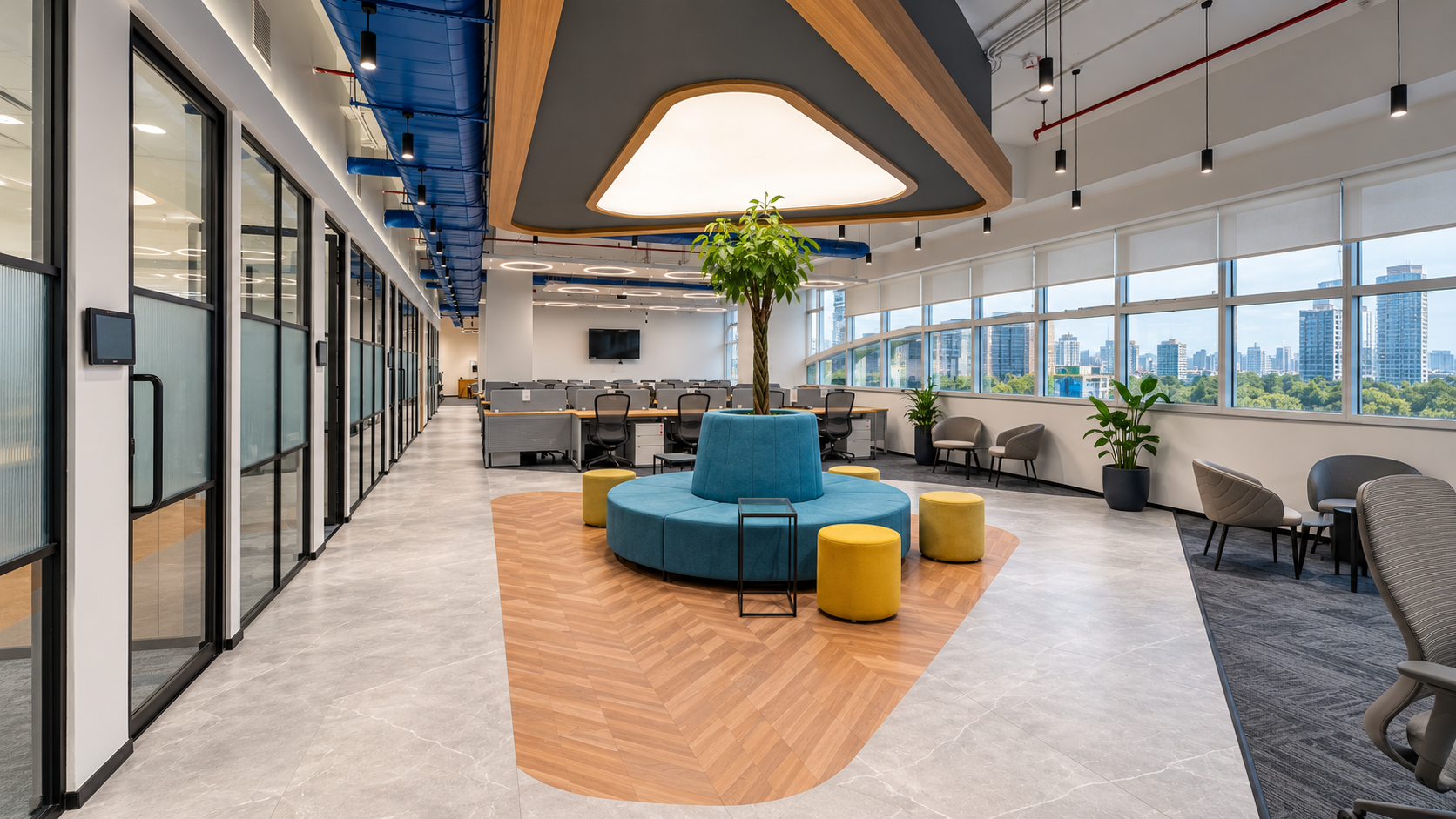
Our technical due diligence services
A fully integrated package that runs from first brief through to design:
01
Condition survey of structure, envelope, services and compliance
02
Capacity assessment for power, cooling, ventilation and vertical transport
03
Test fits to confirm the brief lands inside the floor plate
04
Cost-of-change allowance prepared per building
05
Risk register with programme and budget consequences priced
06
Landlord works and lease-technical schedule review
07
Comparison report and recommendation for the property decision
Due diligence works only if it happens early enough to change the answer. We survey while there is still more than one building on the table, so the property team can weigh rent against the cost of making each option perform.
Every report ends in one comparable page: what the building is, what it needs, what that costs and what could still go wrong. The construction budget and the lease negotiation then run off the same set of numbers.